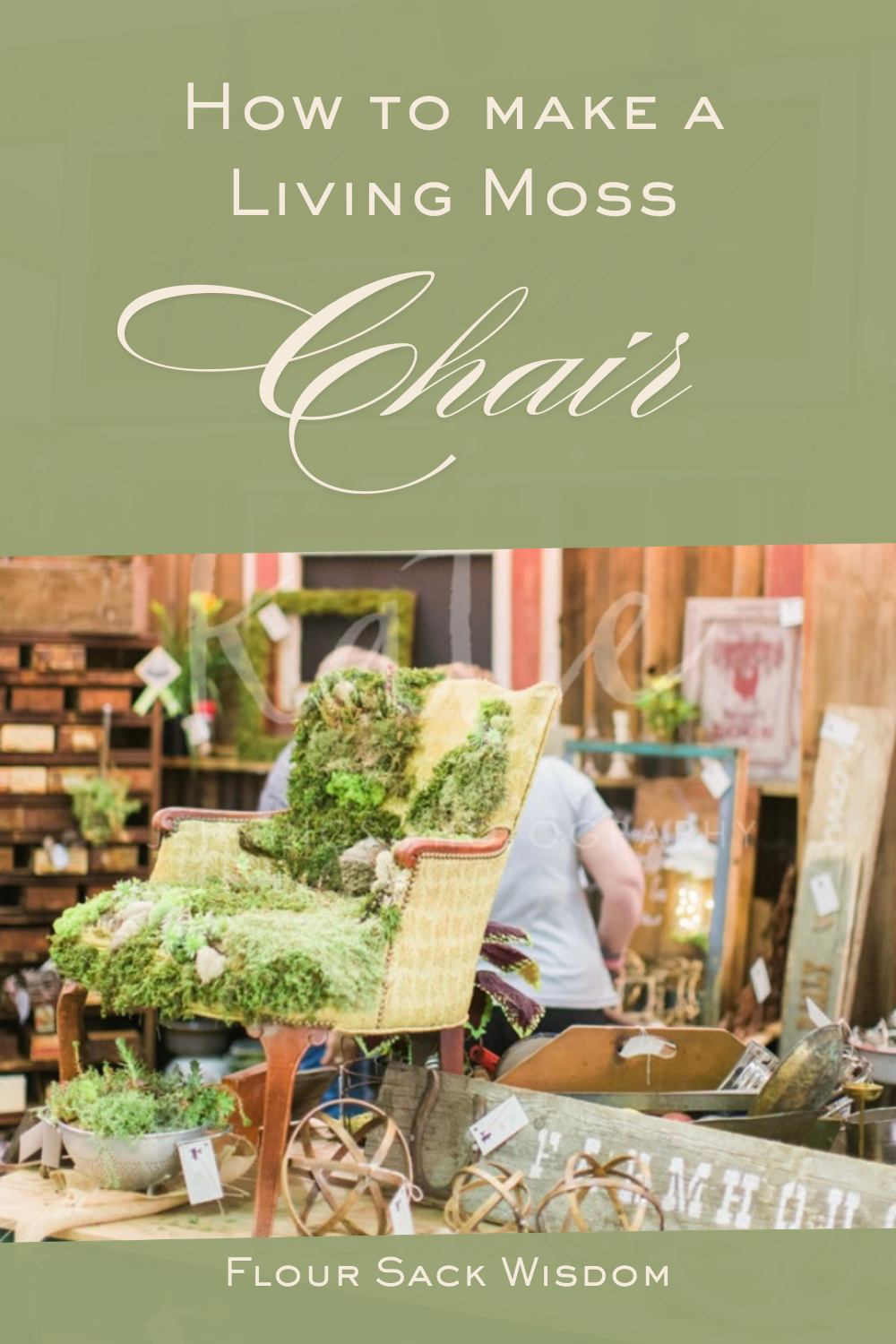
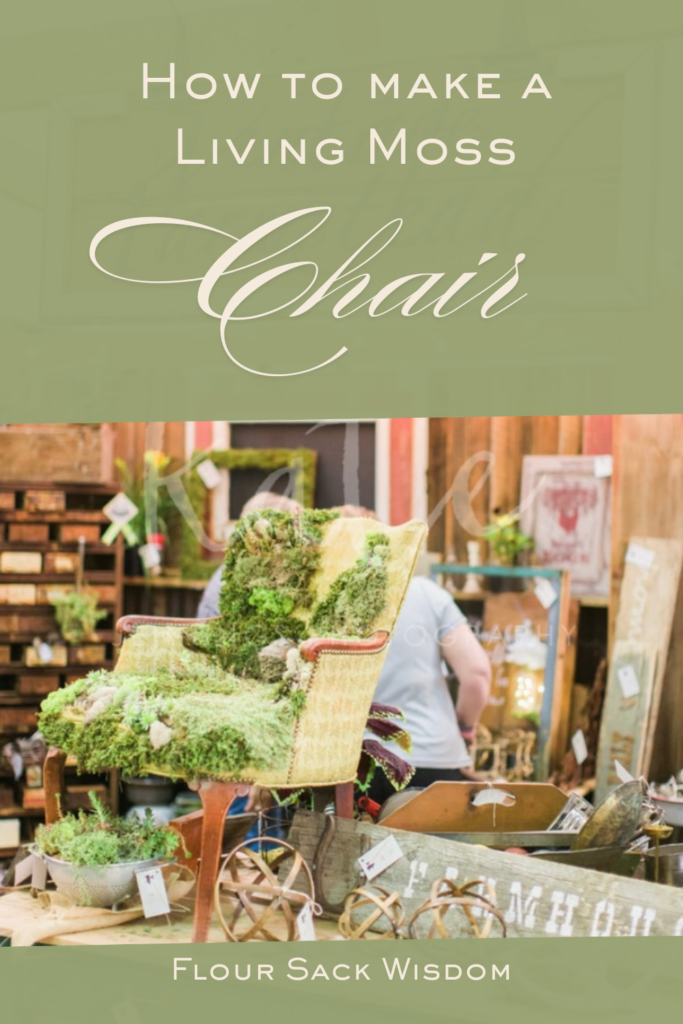
How to Make a Living Moss Chair: A Vintage Garden Project
This living moss chair began with a worn-out vintage chair that most people would have thrown away.
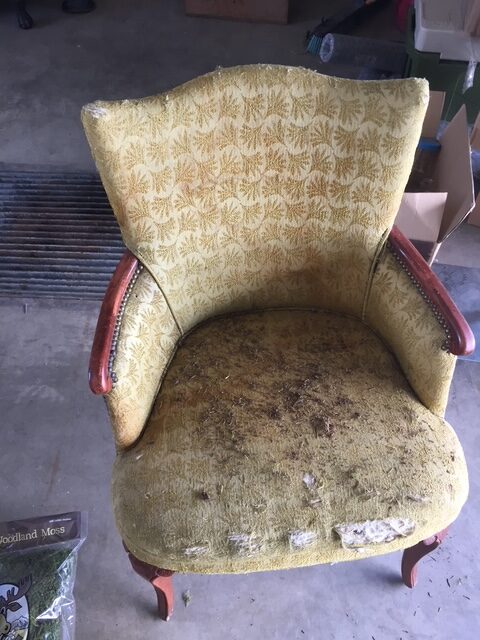
Years ago, I came across a worn-out vintage chair with torn upholstery, stained fabric, and more than a few rough spots. It wasn’t valuable enough to restore, but it was too pretty to send to the dump.
Instead, I decided to turn it into something entirely different.
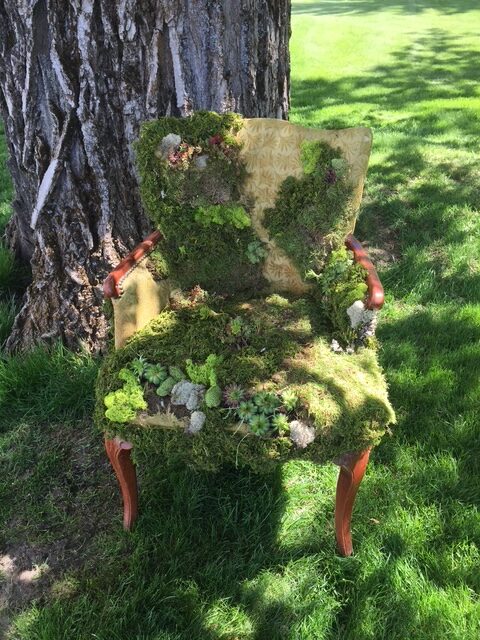
Armed with a hot glue gun, a bag of woodland moss, and whatever plants I could gather from around the yard, I transformed that forgotten chair into a living moss chair for my cottage garden.
This post may contain affiliate links. If you choose to purchase through one of these links, I may earn a small commission at no additional cost to you. Thank you for supporting Flour Sack Wisdom and helping me continue sharing vintage homemaking, gardening, and practical country living.
Nearly a decade later, it’s still one of my favorite garden projects.
If you have an old chair collecting dust in a barn, garage, or thrift store corner, here’s how I built my living moss chair.
How to Make a Living Moss Chair: A Vintage Garden Project
Supplies
- Old upholstered chair
- Hot glue gun and glue sticks
- Woodland moss or sheet moss
- Floral wire
- Small succulents
- Potting soil
- Lichen, if available
- Spray bottle filled with water
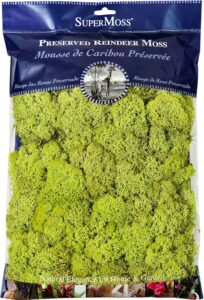
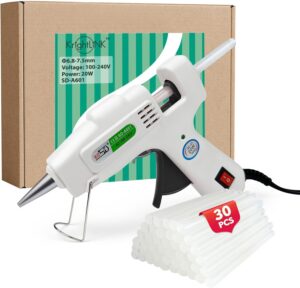
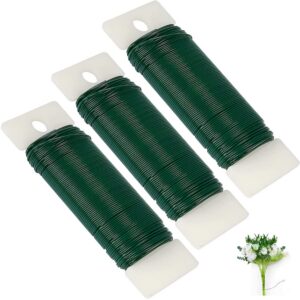
Many of these supplies can be found at thrift stores, estate sales, or tucked away in old garden sheds. Use what you have and don’t be afraid to improvise.
Start With a Chair That Has Seen Better Days
The best chair for this project is one that isn’t worth reupholstering. I picked this one up for $5.00 at an estate sale. Worn-out chairs like this are often overlooked, which makes them perfect for garden projects. If you love thrifting as much as I do, you can browse more of my favorite estate sale and thrift store finds HERE.
Mine had torn fabric, worn upholstery, and plenty of character. The frame was still solid, which was all I needed.
If you have a valuable antique, restore it. If you have a chair that’s one step away from the burn pile, you’ve found your candidate.
Clean It Up
I brushed away loose debris and removed any fabric that was already falling apart.
Don’t worry about making it perfect.
The moss actually grabs onto rough surfaces surprisingly well.
Attach the Moss
Working a section at a time, I applied hot glue directly to the chair and pressed pieces of living moss into place.
I covered most of the seat, the chair arms, and portions of the backrest.
Some of the original fabric remained visible, which I ended up loving. It made the chair feel as though nature was slowly reclaiming it.
Create Small Planting Pockets
As I worked, I tucked handfuls of potting soil beneath sections of moss.
These little pockets gave me places to plant succulents directly into the chair. Lightly wire them in with floral wire.
Over time, the plants softened the edges and made the chair look as though it had grown naturally from the garden.
Adding Texture and Interest
This was my favorite part.
I tucked bits of lichen, moss, and small succulents throughout the chair until it felt like something you might stumble upon in an old cottage garden.
There were no rules. I simply added pieces until it felt right.
Find the Perfect Spot
Once finished, I placed the chair beneath a large shade tree.
The filtered sunlight helped keep the moss from drying out too quickly, and the chair looked as though it had always belonged there.
That’s really the secret.
The best cottage garden pieces don’t look placed. They look discovered.
Caring for a Living Moss Chair
To keep your chair looking its best:
- Mist during dry weather
- Keep it in partial shade
- Water planted areas occasionally
- Remove dead plant material as needed
Depending on your climate, the moss may green up beautifully during spring and fall and go a little dormant during the hottest part of summer.
What I Love Most About This Project
The chair cost almost nothing.
The moss came from materials I already had from a previous project.
There’s something satisfying about taking an object everyone else has given up on and turning it into something beautiful again.
That’s true in gardening, and maybe in life too.
Sometimes the best treasures are simply waiting for someone to see their potential.